Plumbing fails on a schedule — just not yours. Freeze bursts arrive in January, sediment murders water heaters in August, and roots invade sewers every spring. This season-by-season checklist takes about ten minutes a quarter and prevents the vast majority of emergency calls we run.
Spring: wake the system up
- Open outdoor spigots slowly and check for freeze-split pipes that only reveal themselves under pressure.
- Run every rarely used fixture for two minutes — guest bathrooms, basement sinks — to refill dried P-traps that let sewer gas in.
- Test your sump pump by pouring a bucket into the pit before storm season.
Summer: protect the heater and the sewer
- Drain a bucket from your water heater's flush valve. Rusty or sandy water means sediment is stealing efficiency — schedule a full flush.
- Watch for slow drains after heavy rain; roots chase sewer lines in summer growth. One camera check now beats a backup later.
Fall: winterize before the first freeze
- Disconnect hoses, shut off exterior valves from inside, and insulate exposed pipes in garages and crawl spaces.
- Know where your main shutoff is — tag it. In a burst, the first five minutes decide the damage.
- Service the water heater before heating season peaks; a tuned burner uses measurably less gas.
Winter: keep water moving
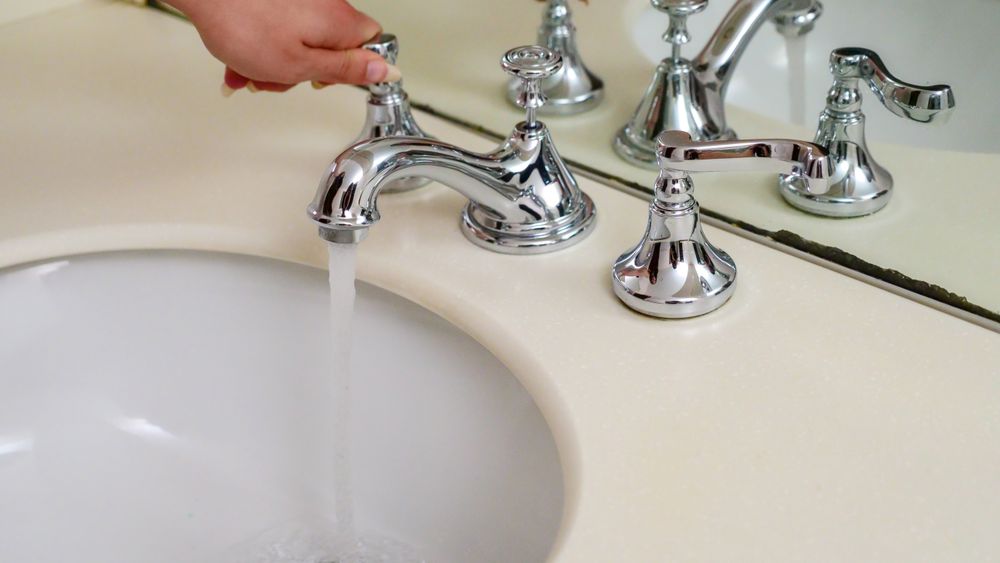
- On sub-zero nights, let vulnerable faucets drip and open cabinet doors so warm air reaches pipes.
- Never pour grease down the drain — holiday cooking plus cold pipes is our busiest clog week of the year.
Want it done for you?
Our annual tune-up covers this entire list — heater flush, whole-home leak check, water-pressure test, and shutoff tagging — in about 90 minutes. One visit, documented with photos, and your system enters every season ready.