A slow drain is your plumbing's check-engine light. It rarely fixes itself, and the longer buildup cooks inside your pipes, the more expensive the eventual clearing becomes. Here's what actually happens inside your lines — and what real cleaning involves.
What builds up in there
Kitchen lines narrow with layers of grease and soap that harden like candle wax. Bathroom lines weave hair and toothpaste into felt-like mats. Main sewers collect scale, paper, and — in older Columbus neighborhoods — fine tree roots that enter through tiny joints and expand into nets. A store-bought cable pokes a hole through the middle; the walls stay coated, and the clog returns within weeks.
What professional cleaning does differently
- Camera first. We see the blockage type, depth, and pipe condition before choosing a tool — so fragile lines get gentle heads, not brute force.
- Clean wall-to-wall. Hydro-jetting's 4,000-PSI rotating spray scours buildup off the full pipe interior, restoring near-original diameter.
- Prove it. You watch the after-footage with us. If the line isn't clean, we don't invoice it as clean.
How often should drains be cleaned?
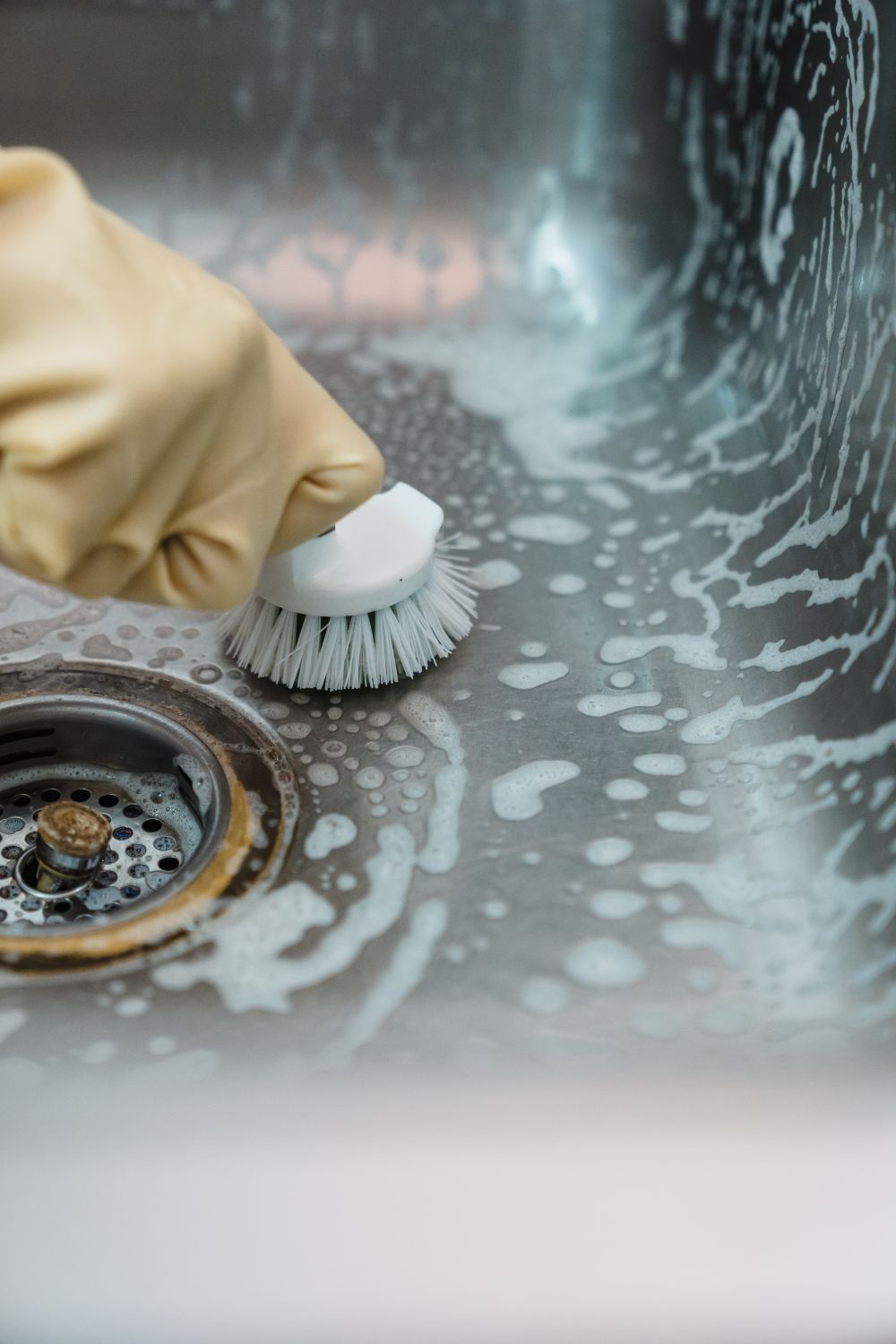
Most households: kitchen lines every 18–24 months, main sewers every 2–3 years (yearly if you have mature trees over the line). Restaurants and short-term rentals need quarterly service — grease and volume don't negotiate. Recurring backups between those intervals usually mean a damaged section worth repairing, not re-clearing forever.
The chemical cleaner warning
Caustic cleaners generate heat that softens PVC, corrodes metal traps, and can crack porcelain — while leaving the underlying buildup untouched. Worse, they turn a routine service call into a hazardous-chemical job. If there's a bottle under your sink, the kindest thing is to leave it sealed and call us instead.