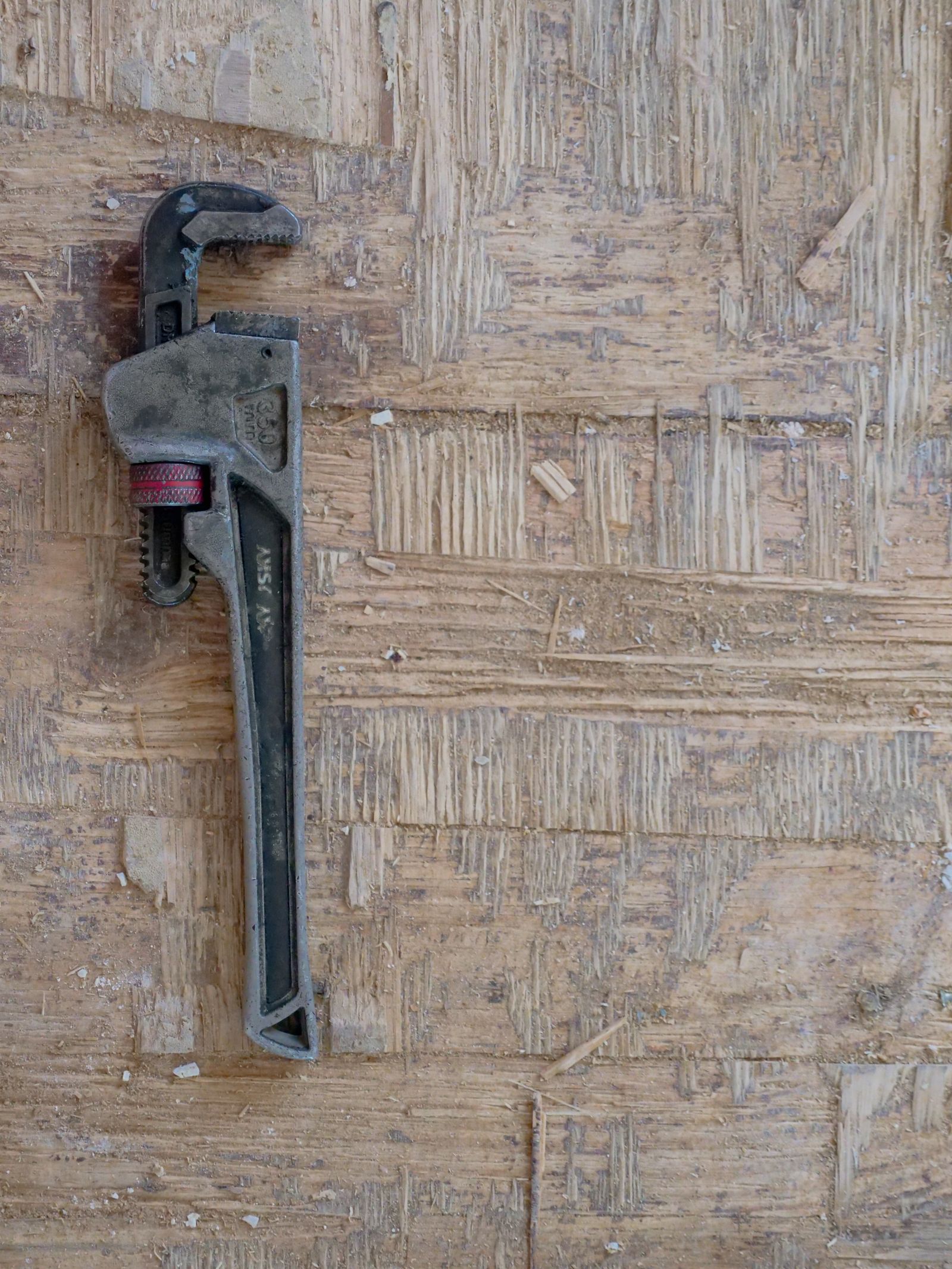

Every homeowner meets the same fork in the road: the faucet drips, the drain gurgles, and you wonder — can I fix this myself, or am I one wrong turn away from a flooded kitchen? After thousands of service calls, here's the honest framework our own technicians use.
Safe to DIY: the small, shut-off-able jobs
Replacing a showerhead, swapping a faucet aerator, plunging a single slow toilet, or resetting a garbage disposal with the Allen key underneath — these are low-risk jobs. Each has an accessible shutoff, needs no torch or sealant, and fails gracefully if something goes wrong.
Call a pro: anything behind walls or under pressure
- No hot water plus a leaking tank — water and gas or 240V electric in one box is not a learning project.
- Multiple fixtures backing up at once — that signals a main-line blockage. Store-bought snakes usually just poke through; you need a camera and the right cutter head.
- Water where it shouldn't be — ceiling stains, warm floor spots, or a meter that spins with everything off mean a hidden leak. Every day of guessing costs real damage.
- Gas smells or hissing near lines — leave the house and call your utility first, then us. Never troubleshoot gas yourself.
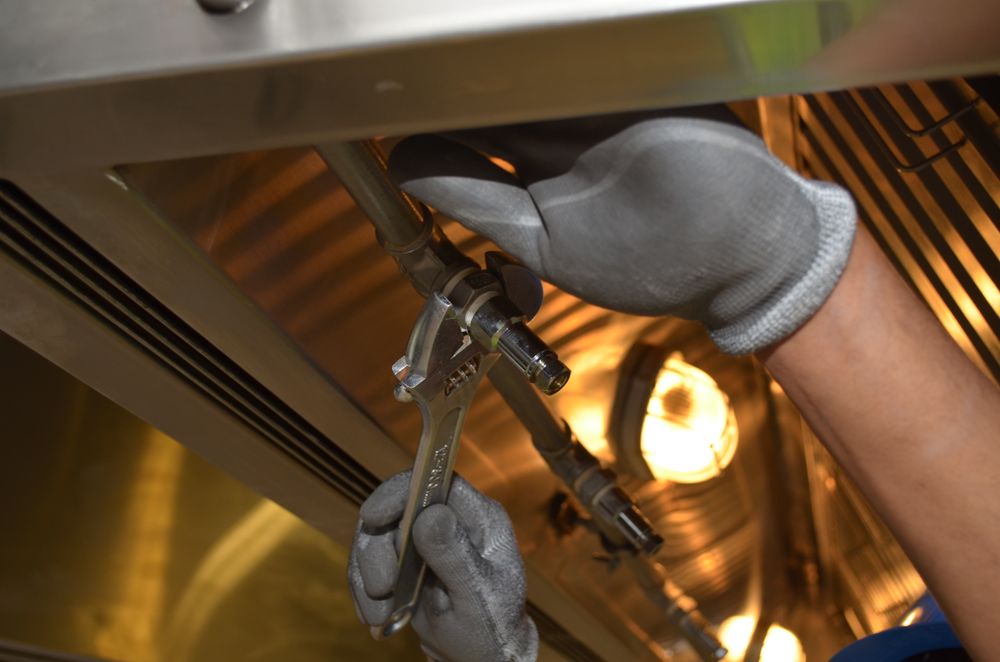
The cost math most people get backwards
A $12 bottle of drain cleaner feels cheaper than a service call — until it pits your trap, fails to clear the clog, and the Sunday emergency visit costs triple. Professional diagnosis is free with any TrueFlow repair, and most fixes finish in a single visit with a 2-year warranty. The most expensive repair is usually the second one — fixing the first attempt.
Bottom line
If you can name the part, reach the shutoff, and the worst case is a puddle you can mop — go for it. If the problem is hidden, pressurized, electrified, or affecting the whole house, call someone who does it daily. That's what we're here for, 24/7.